When a home market shrinks, a brewery needs more than a new product. It needs to decide what it stands for, where it can grow and how to bring people closer to the brand.
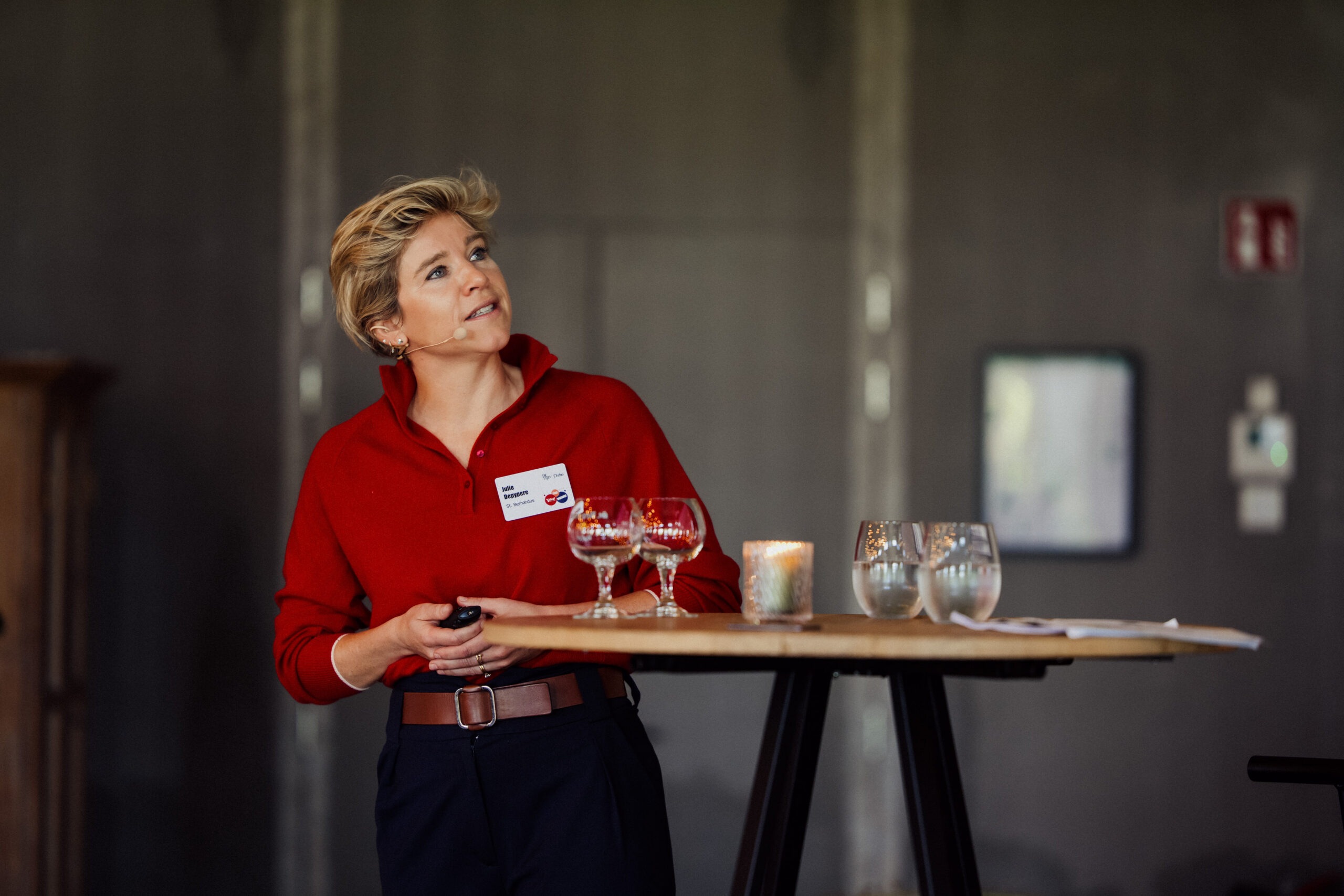
At a Club WAW! and Club Yaka! conversation about the future of Belgian family breweries, a second-generation leader at St. Bernardus described how the business is adjusting to a changing beer market. The response combines sharper choices about products and export markets with new alcohol-free options and a stronger focus on retail. But the discussion also pointed to a deeper challenge: growth depends on carrying a distinctive story into new channels, while building a team that can act on it. For entrepreneurs facing a mature or declining market, the brewery’s experience offers practical questions about focus, leadership and where to invest next.
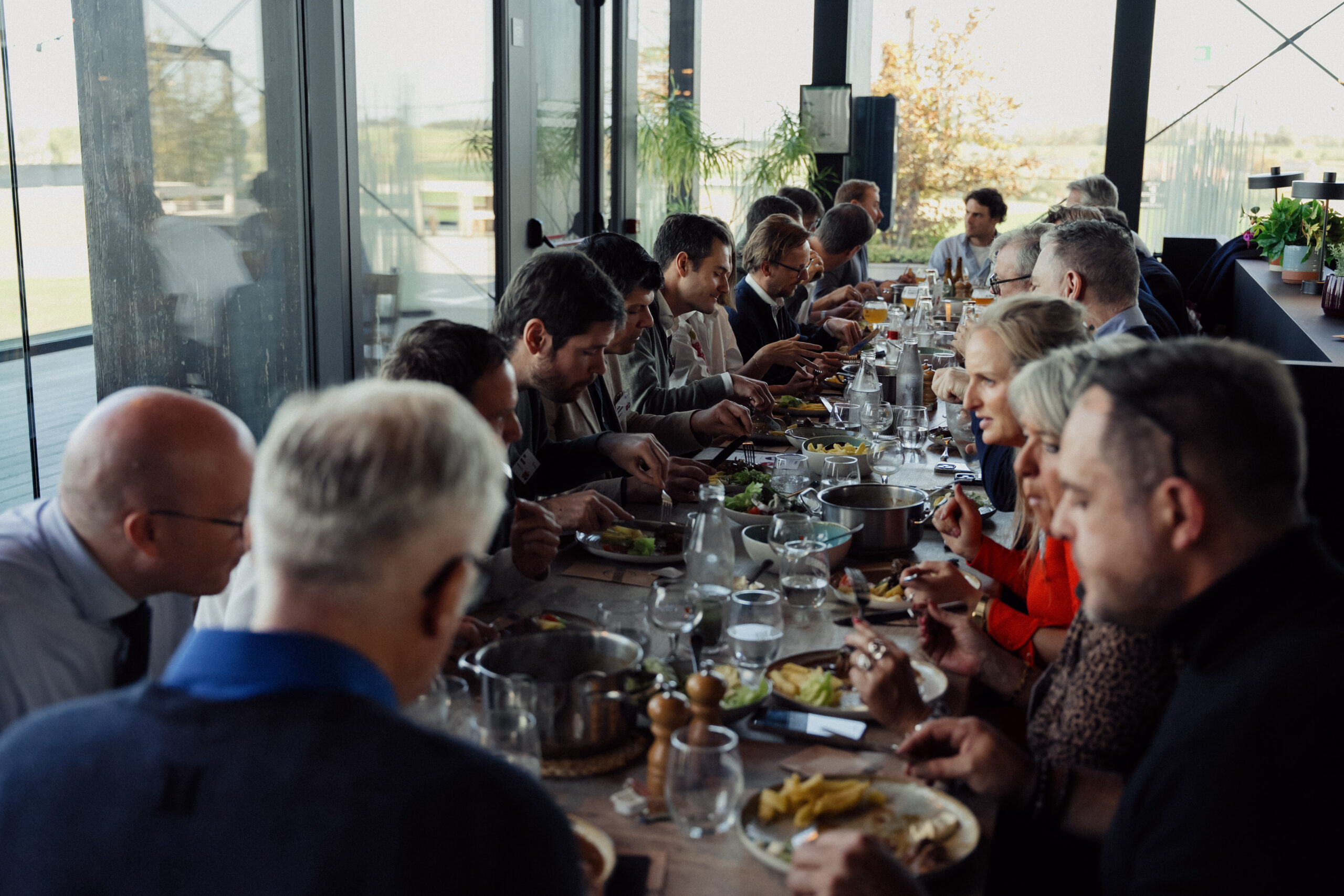
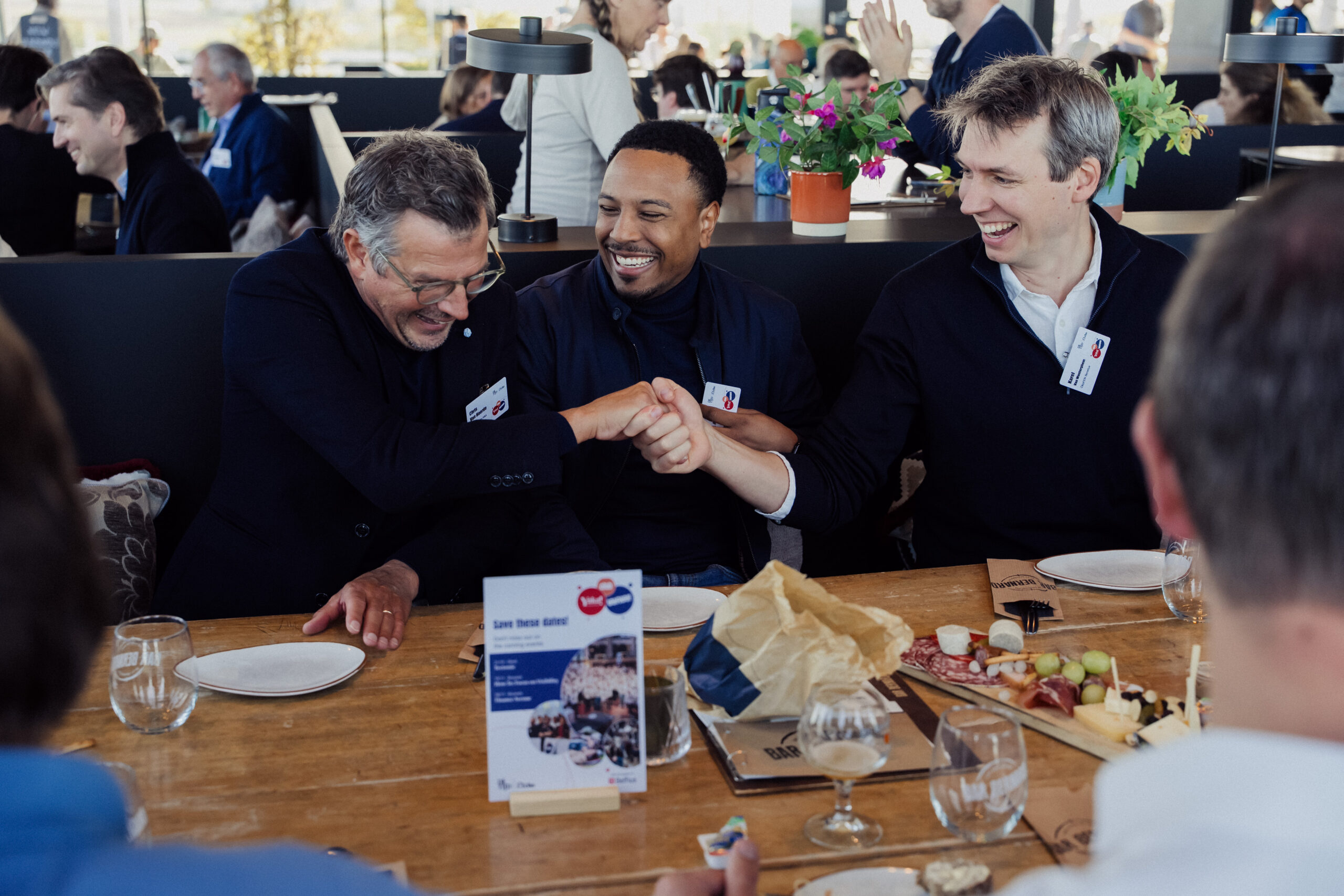


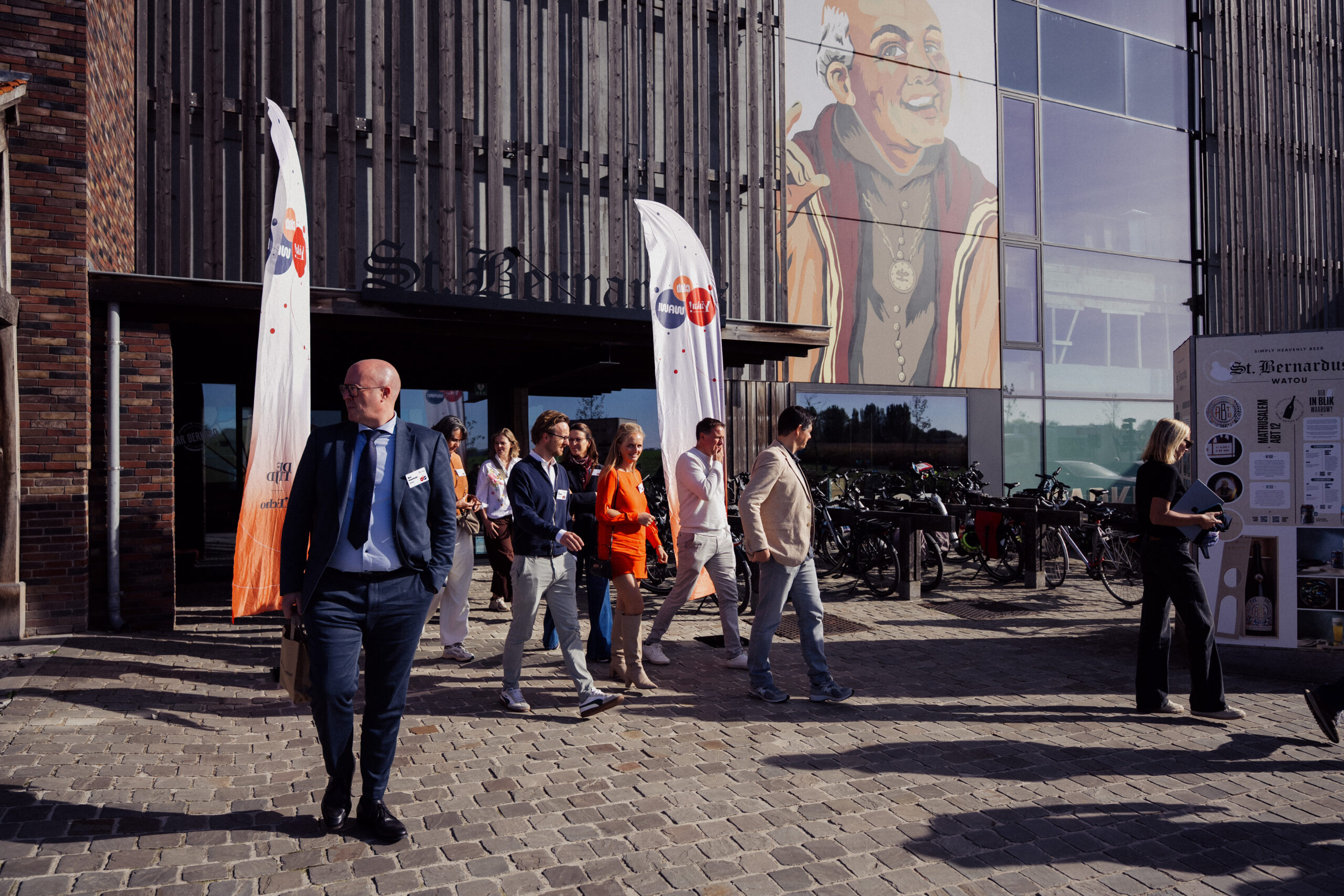
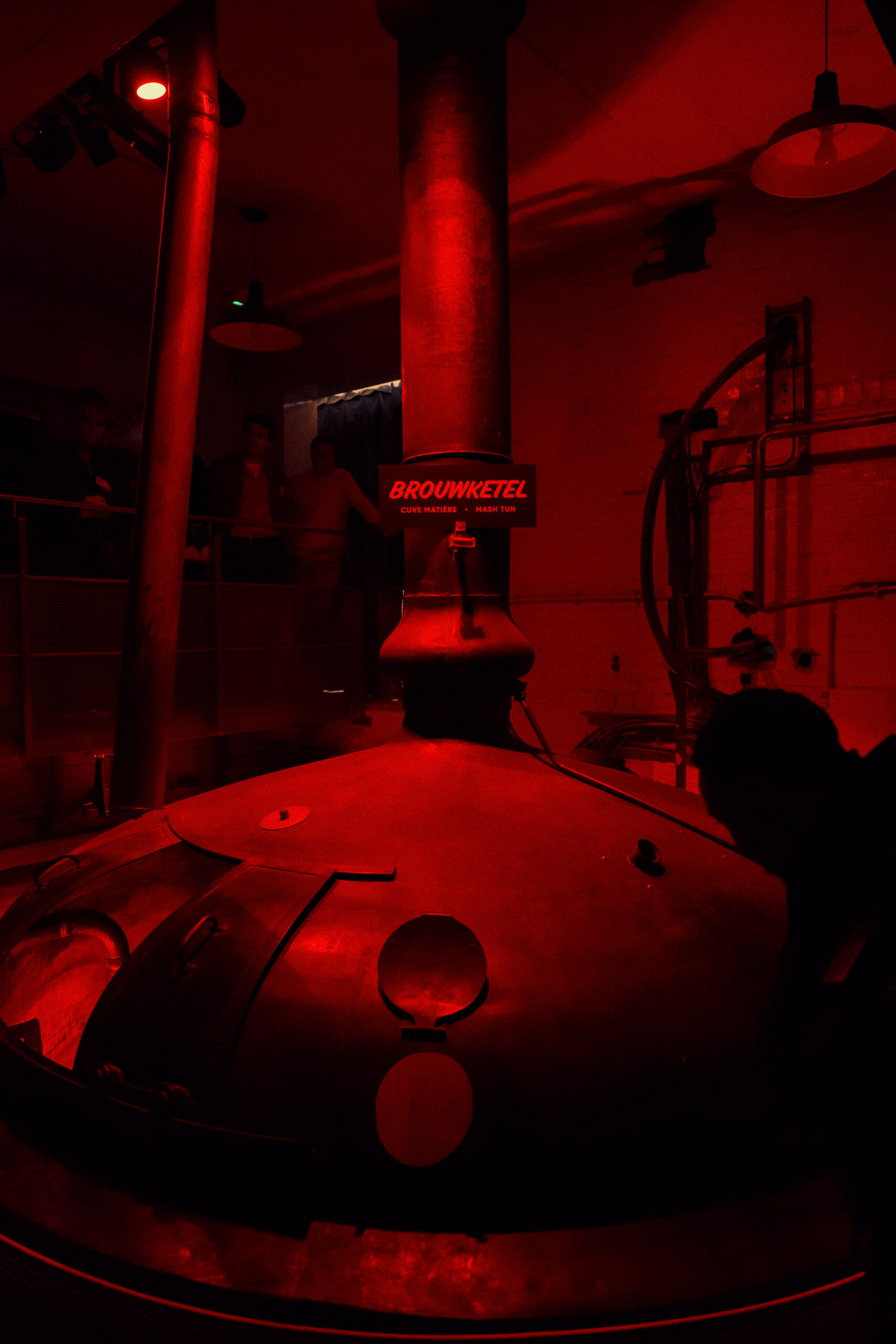

A clear story helps tradition travel
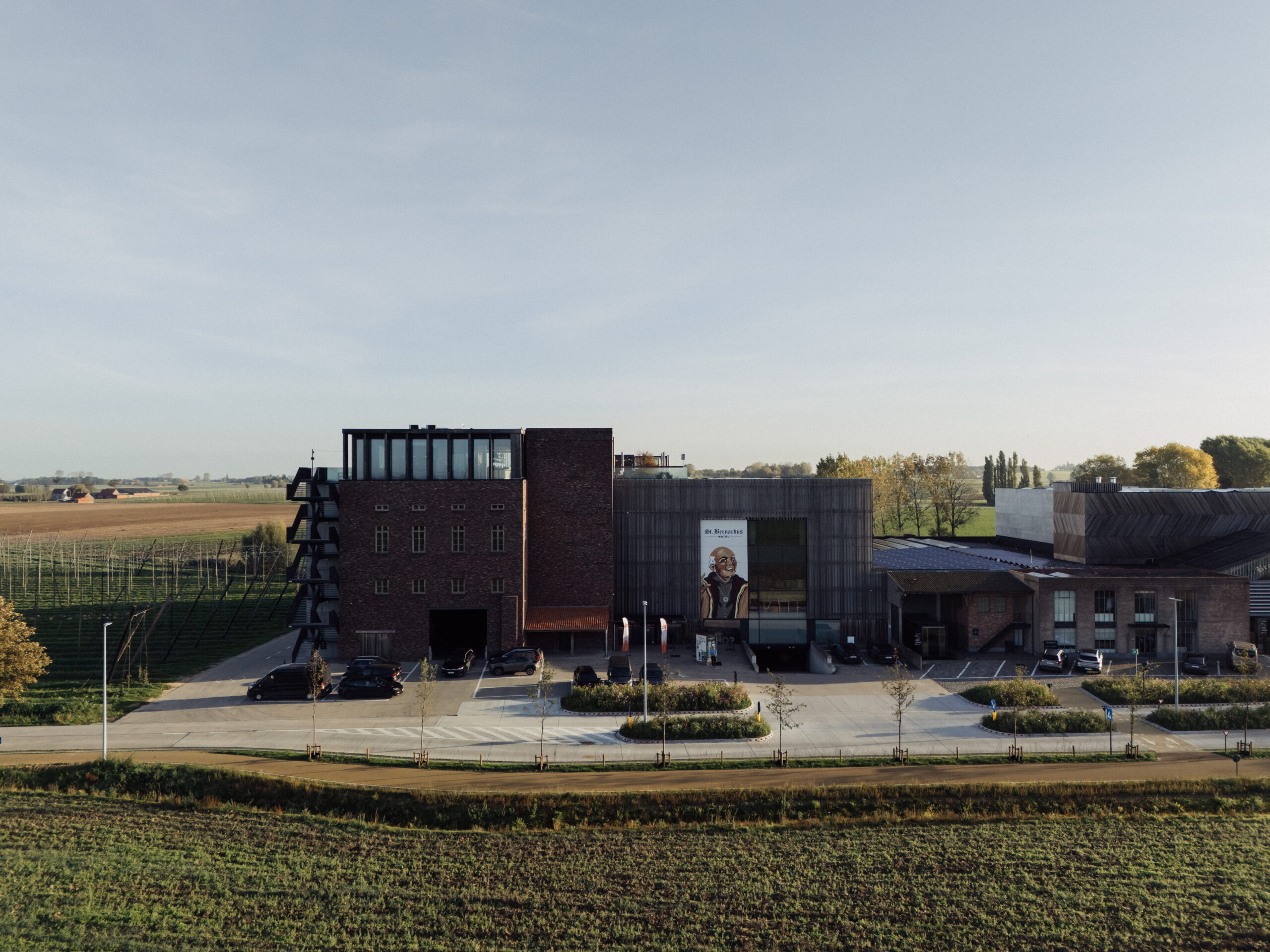
St. Bernardus has built recognition around its heritage and the “pater” figure on its labels. Rather than discard that identity to appeal to younger consumers, the brewery has explored how to make the character feel more contemporary while retaining the values behind it.
That same thinking extends to the brewery experience. The leader described a deliberate effort to bring visitors on site so they can understand and experience the product, instead of encountering it only on a shelf. “Ze moeten ons bier voelen” — “they need to feel our beer” — captures the idea: a brand can become more memorable when customers experience the people, place and values behind it.
For founders, the lesson is to make a brand’s heritage useful. Keep the distinctive elements, then find ways to express them that customers can connect with now.
Focus means choosing products, markets and channels
The Belgian beer market is under pressure, and St. Bernardus has responded by reconsidering its product range and where it competes. The brewery is developing alcohol-free beers and lower-alcohol options, while also shifting more attention to retail and the marketing support retailers expect.
Internationally, the company is concentrating on a smaller number of priority markets, including France, the Netherlands and the United States. The leader described how consumer expectations differ by market: in the US, the brewery’s story draws particular interest, while other markets call for different product and sales choices.
The practical point is to turn broad reach into deliberate focus. Exporting widely can create opportunities, but deciding which markets deserve sustained effort helps a business tailor its offer and use its resources well.
Let the team solve more of the problems
The leader also described a change in management style. Earlier, she often stepped in with answers when managers brought her problems. Over time, she recognised that this could leave the team dependent on her instead of developing its own judgment. She now tries to listen first and ask what solution the manager would propose.
That shift takes discipline, especially for leaders who want to help and move quickly. But coaching, training and delegation can build a stronger organisation than personally resolving every issue. As she put it, “ik kan wel absoluut niet alleen” — “I can’t do it alone.” The brand and the business depend on the people behind them.
Growth asks for investment beyond the brewery walls
The session connected innovation with a wider change in investment priorities. The leader contrasted a previous emphasis on physical assets with today’s need to invest in marketing, product development and a clear focus. She argued that breweries growing in a difficult market are often the ones making those investments, simplifying their range and working together where they lack scale.
That does not mean every business should copy a brewery’s exact choices. It does mean asking whether the next investment strengthens the offer customers see, supports a market the company has chosen, or gives the team more capacity to deliver.
A shrinking market makes those decisions harder to postpone. St. Bernardus’s experience suggests that a strong heritage can support change when it is paired with a clear strategy and the willingness to keep testing new ways to reach customers.
What we take away from this session:
-
Make heritage legible to new customers
Keep the elements that make your brand distinctive, and find fresh ways to bring them to life.
-
Choose priority markets
Decide where you can build sustained demand, then adapt your offer and sales approach to those customers
-
Treat innovation as a response to real behaviour
Test products that address changing needs, including demand for lower or no alcohol.
-
Build the team’s judgment
When a manager brings a problem, ask for their proposed solution before stepping in with yours.
-
Invest in how customers find and understand you
Product quality matters, but marketing and clear positioning help customers notice it.
-
Look for useful partners
Shared activity, training or purchasing can help smaller businesses extend their reach and resources.