Belgium has no shortage of entrepreneurial talent, strong investors or innovative ideas. But turning those assets into companies capable of scaling internationally remains a challenge.
At BeCentral’s “Back to Scale” evening, entrepreneurs from the WAW!, Yaka! and BeCentral communities came together with one common objective: connect beyond their usual networks and build stronger bridges within Belgium’s entrepreneurial ecosystem.
Moderated by Robin Wauters of Syndicate One, the discussion brought together Clotilde Annez, General Manager of BeAngels, Raphaël De Beys, Managing Director of Proximus Ada, and Tania Kalavris, Managing Director of the newly launched Le Village by CA Brussels.
From AI and corporate-startup collaboration to funding and international growth, one message kept resurfacing throughout the evening:
Belgium already has many of the ingredients it needs to build successful companies. The next challenge is to connect them better, move faster and turn local talent into companies capable of competing internationally.

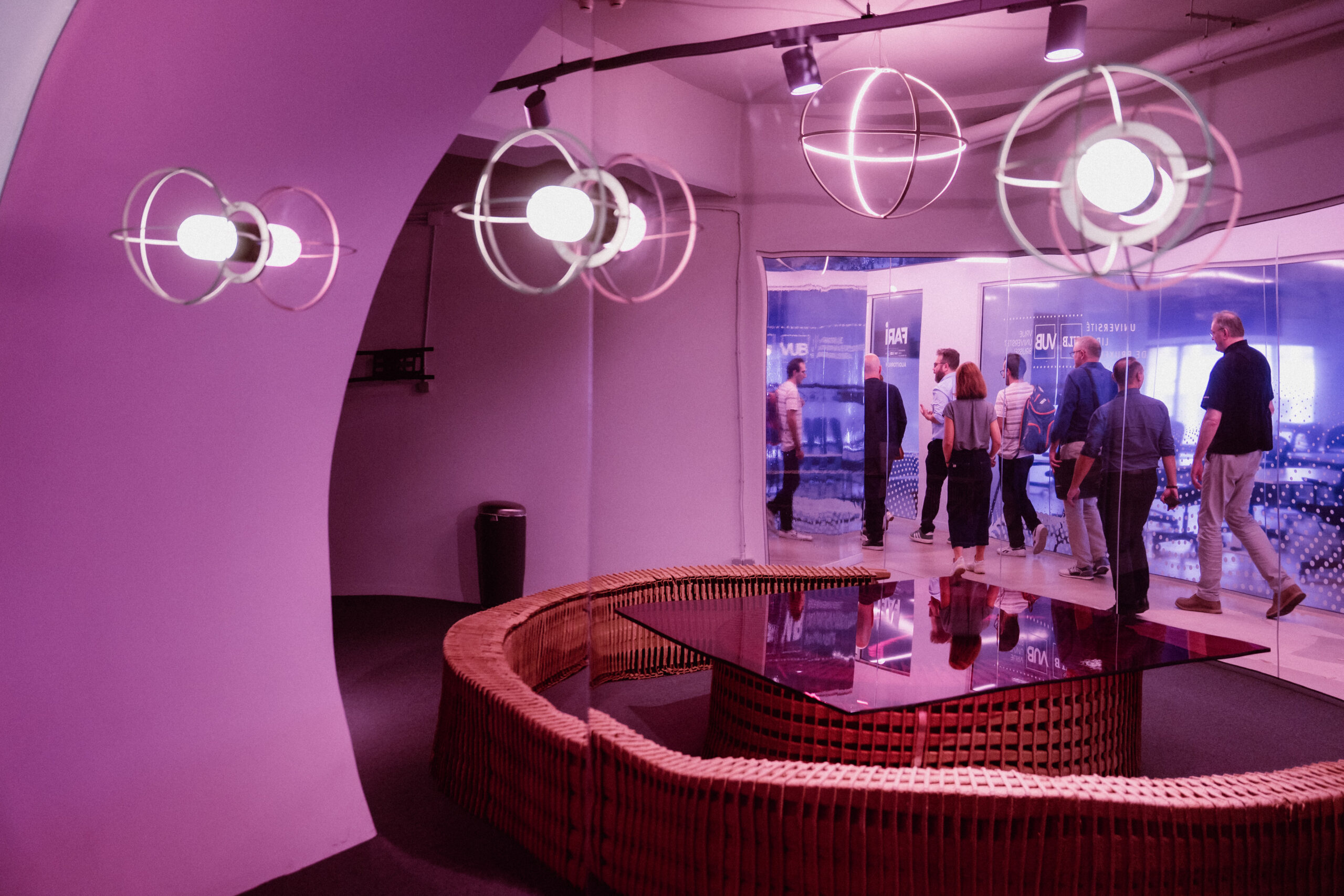

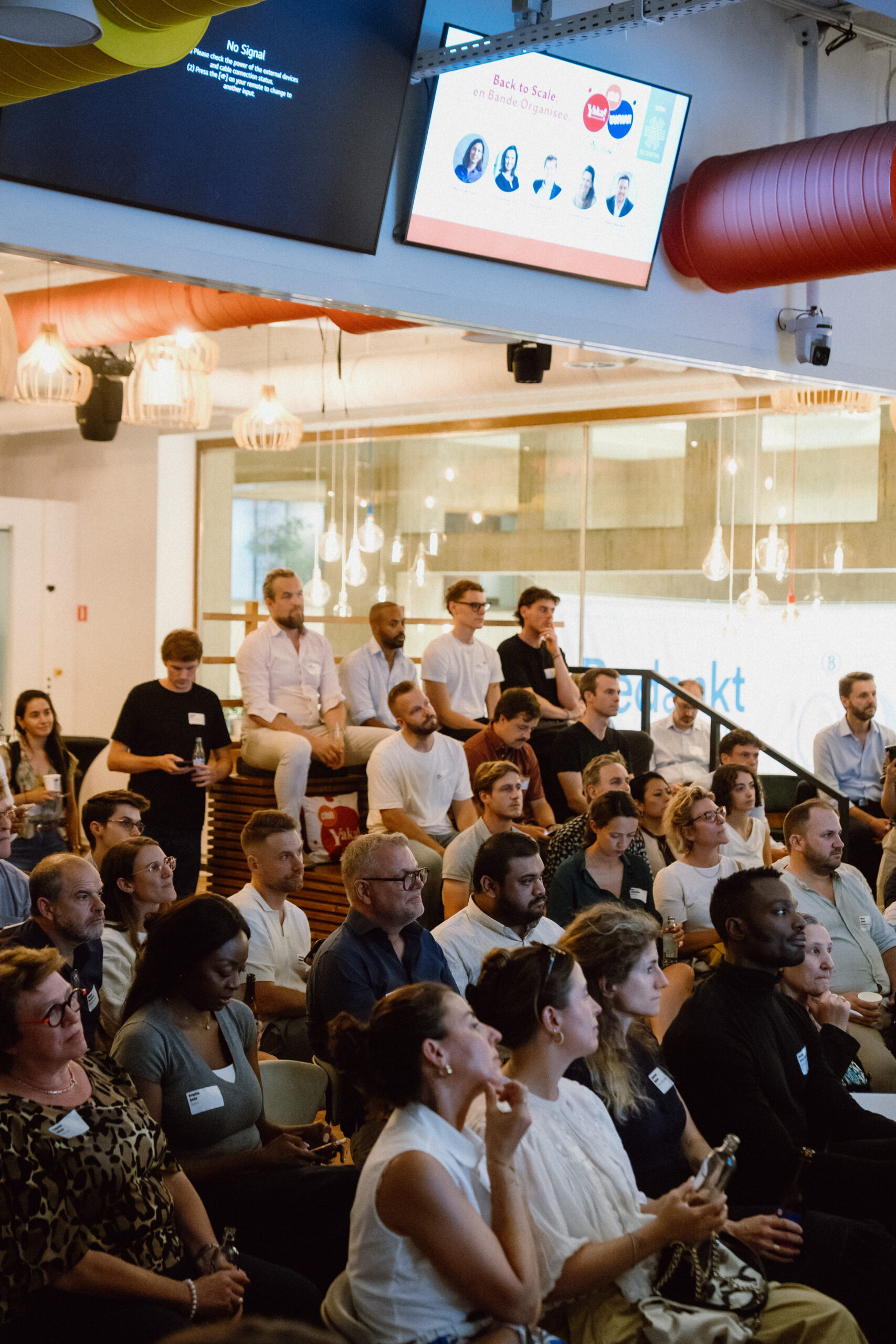
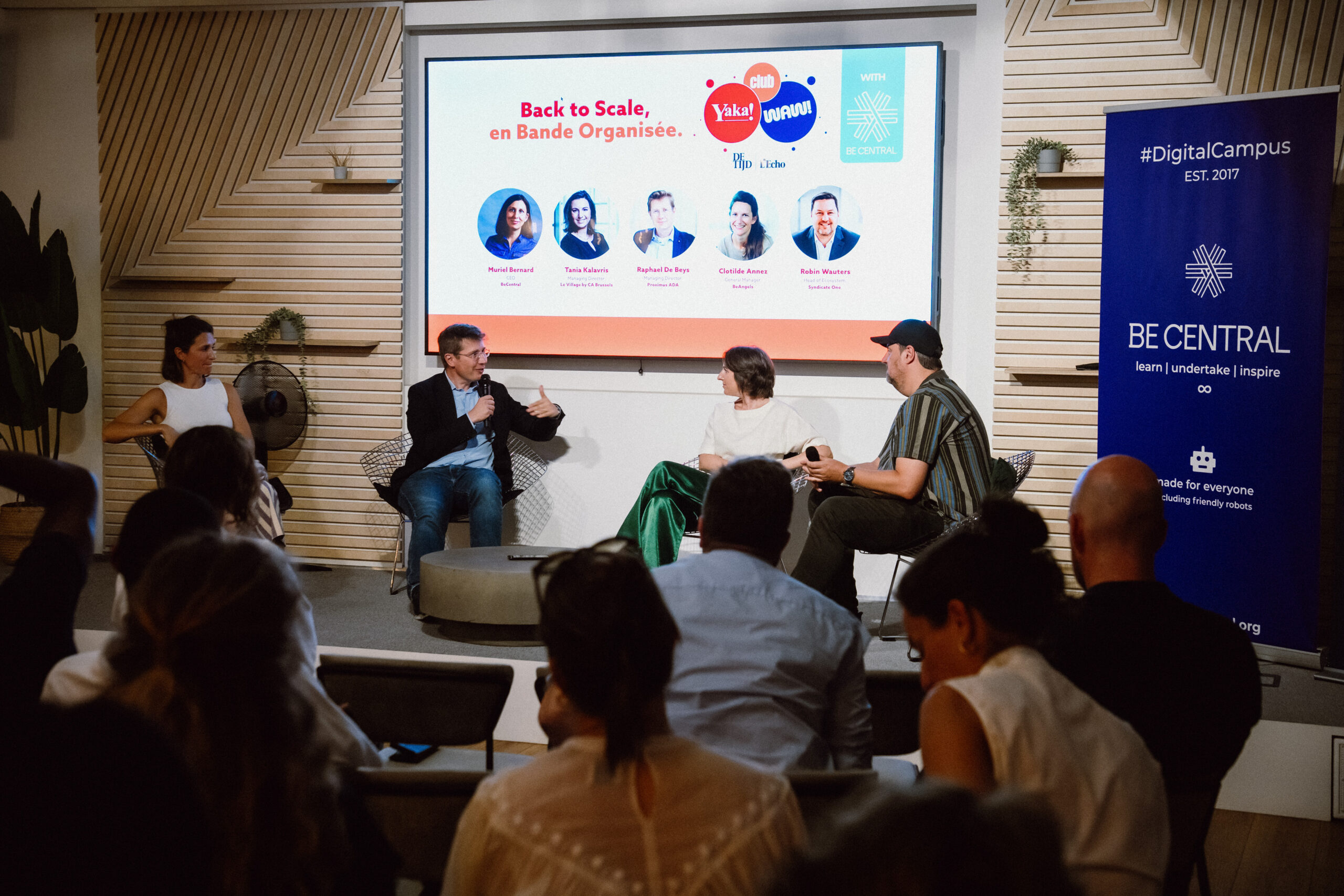
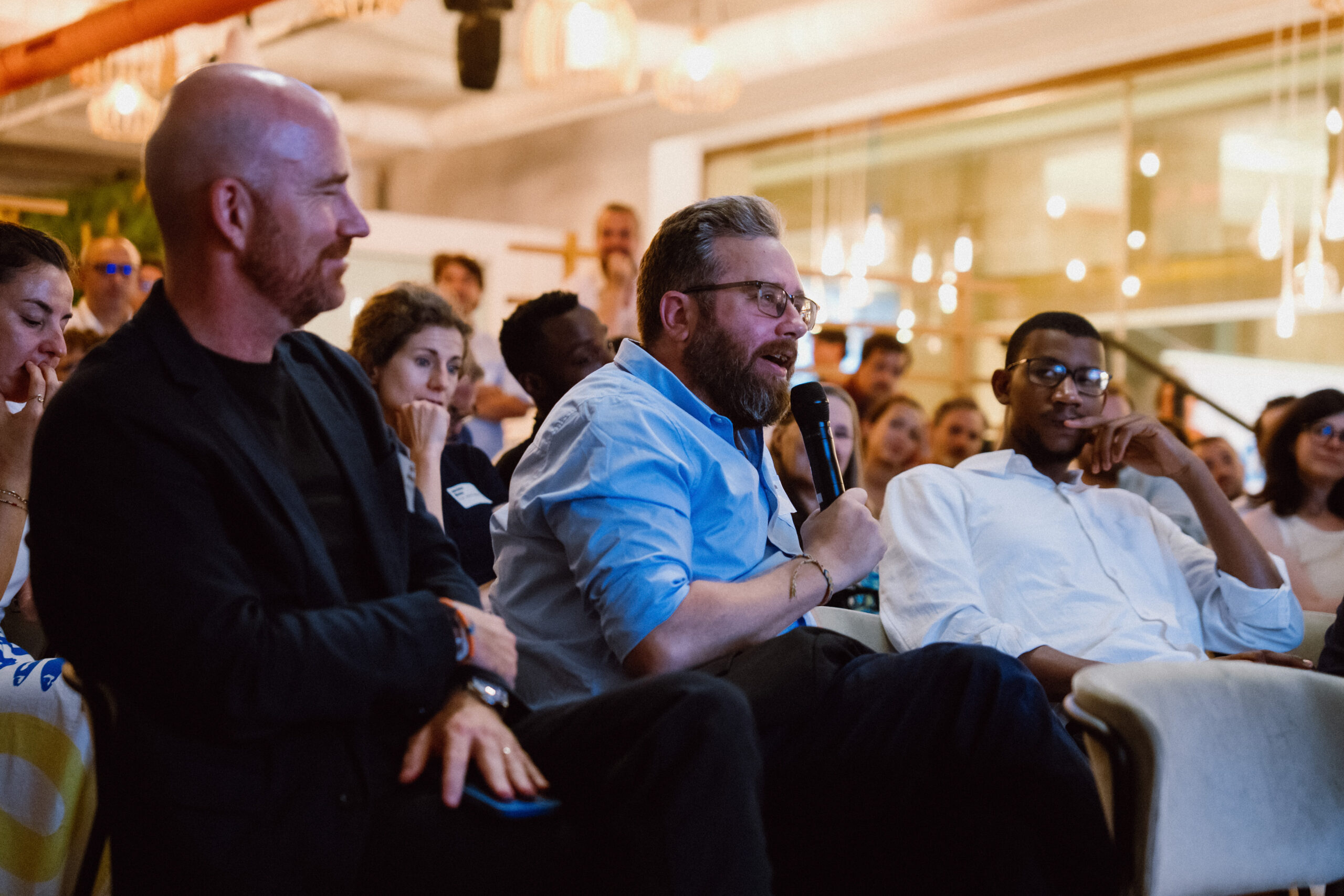
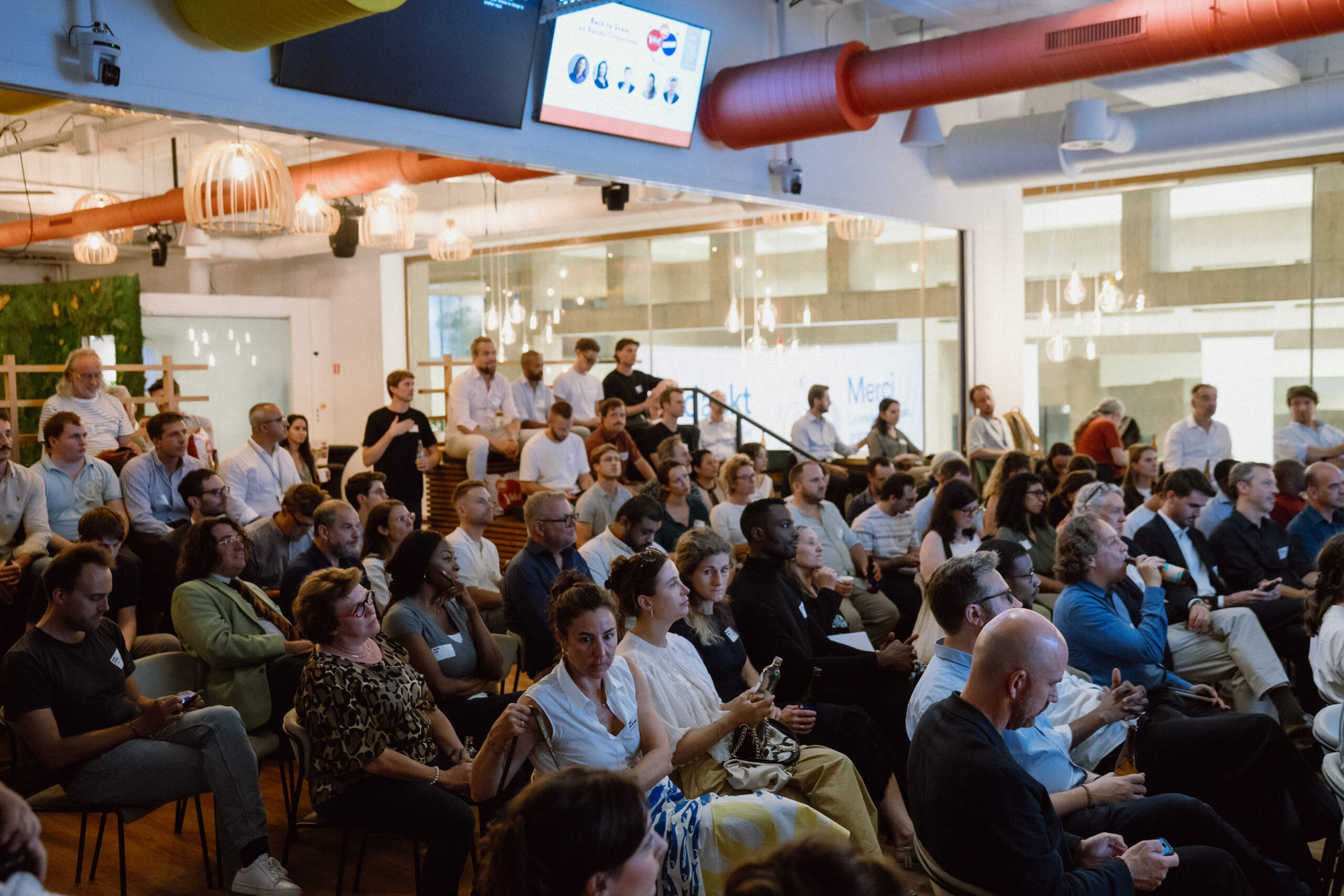
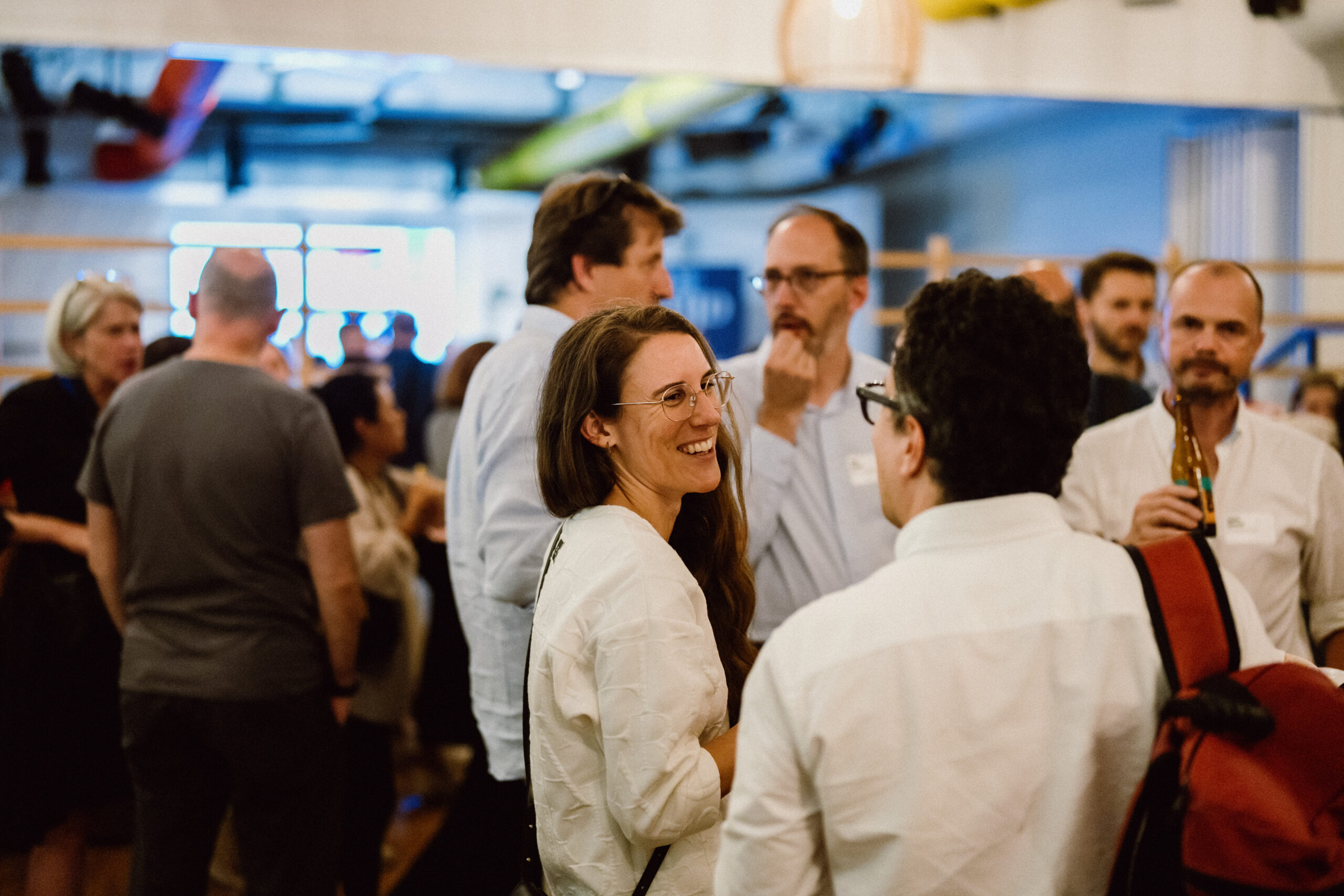
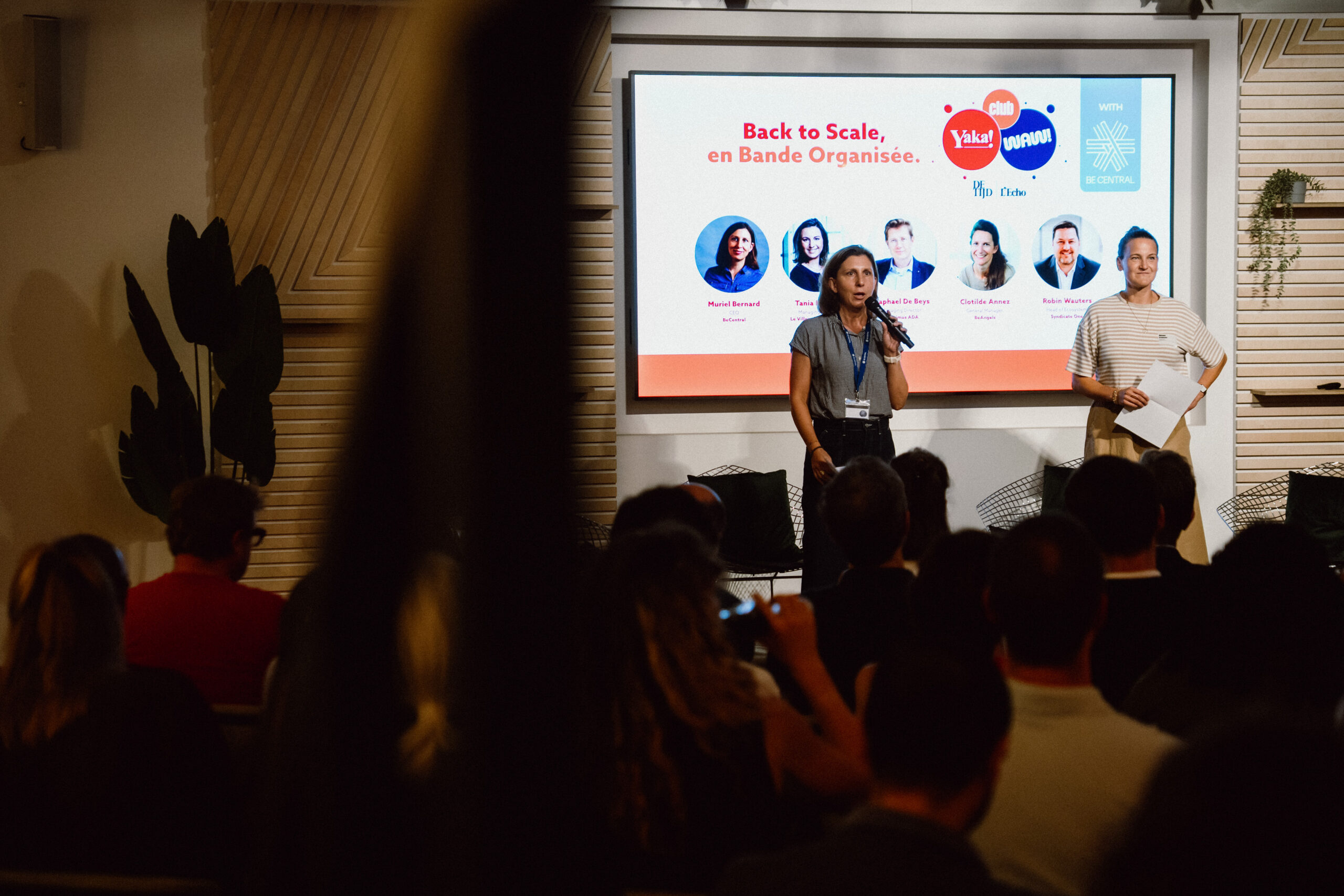
AI should accelerate companies — not distract them
AI is evolving so rapidly that entrepreneurs cannot afford to ignore it. But that doesn’t mean adopting AI simply because everyone else is doing it.
For Raphaël De Beys, companies need to operate according to a “two-speed model”: experiment and execute quickly while taking the necessary time to build strategy, architecture, security and governance.
Not every problem requires AI. Sometimes simple automation remains the better solution. The starting point should therefore always be the business need rather than the technology.
And AI should be seen as a way to empower people, rather than replace them.
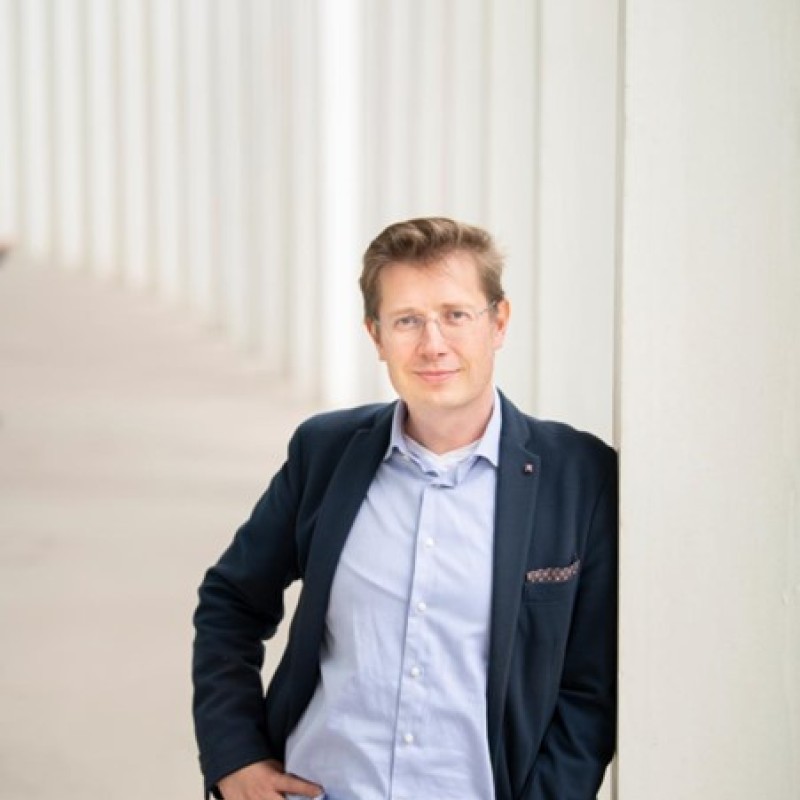
“It is not AI instead of humans. It is humans plus AI.”
Raphael De Beys, Managing Director Proximus ADA
AI can automate repetitive tasks, increase productivity and help companies develop faster. But human judgement remains essential.
Clotilde Annez suggested a simple question entrepreneurs can apply to their own workload: “Do I bring value in that specific task? If not, let’s automate it.”
But there is a limit to what should be delegated.
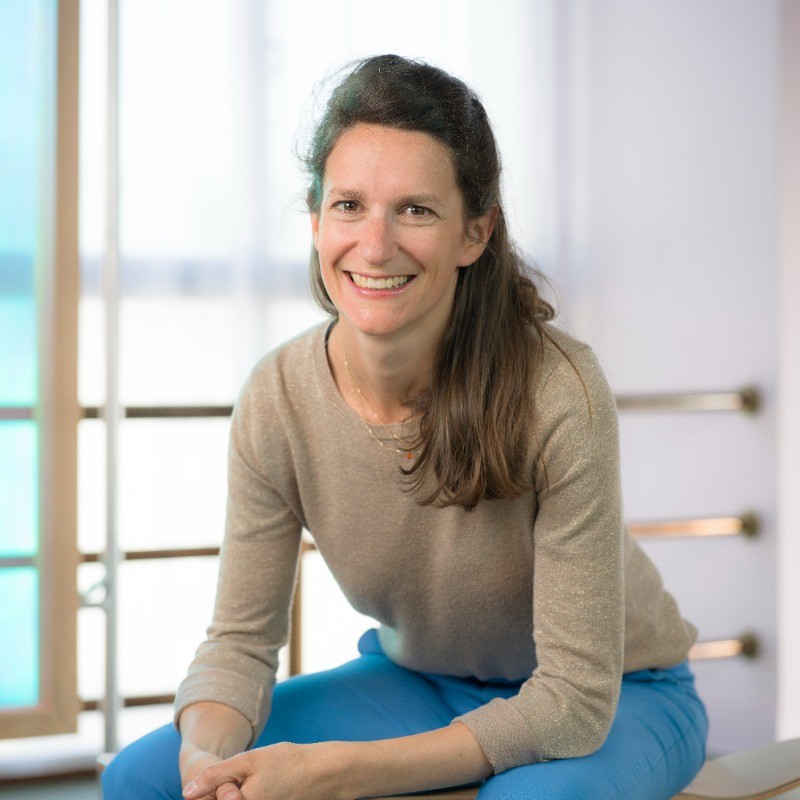
“Don’t let AI replace human judgment in the final decision. At the end of the day, it is your company, your vision and your people.”
Clotilde Annez, General Manager BeAngels
Corporate-startup collaboration requires patience — and clarity
Corporates need innovation; startups need customers, credibility and access to larger networks. But while they need each other, they operate at very different speeds.
As Tania Kalavris put it, they are “two different beasts”: a startup can decide in days, while corporate procurement, compliance and security procedures may take months.
Successful collaboration therefore requires clear expectations, budgets, responsibilities and milestones from the start. Startups must also ask whether the potential opportunity justifies the time and resources involved.
A corporate deal can open major doors — but founders cannot afford to put their business on hold while waiting for those doors to open.

“Nobody can do it alone. We have to do it together and find ways to collaborate across borders.”
Tania Kalavris, Managing Director Le Village by CA Brussels
Building a product is not the same as building a company
AI is lowering the technical barrier to entrepreneurship.
Ideas can be tested faster. Products and features can be built with fewer resources. More people have access to increasingly powerful development tools.
But easier product development does not automatically create better companies.
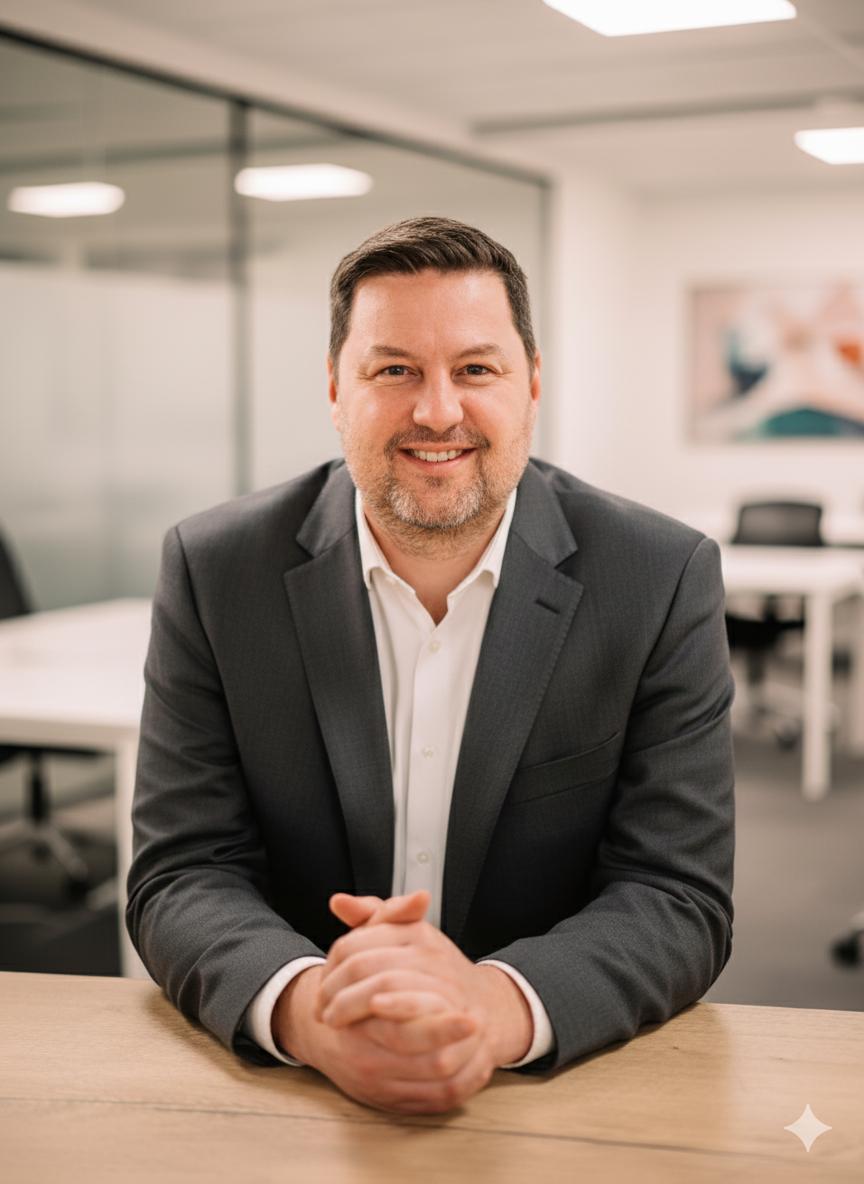
“It is easy to build products. It does not mean it is easy to build a startup.”
Robin Wauters, Head of Ecosystem, Syndicate One
Fundraising is a means — not a measure of success
Capital matters when companies want to accelerate. But fundraising should never become an objective in itself.
For Clotilde Annez, one of the most important roles of investors and funding organisations is to challenge entrepreneurs on a fundamental question:
Why do you actually want to raise money?
Do you want to build the next unicorn? Finance international expansion? Accelerate product development? Or would you rather build a profitable, sustainable company while retaining greater control?
Raising capital takes time and energy. It can distract founders from running their business and often means giving up part of the control of the company at a very early stage.
The founder and investor also need to agree on what success ultimately looks like.
The lesson: Raise capital when it enables your ambition — not because fundraising itself has become a badge of entrepreneurial success.
Belgium has the ingredients — now connect them
Belgium has the talent, expertise, investors, corporates and entrepreneurial communities needed to build successful companies. But its small and fragmented market remains a challenge.
For Belgian entrepreneurs, this fragmentation also creates an incentive to think internationally early and rely on trusted networks to cross borders.
The panel agreed that the ingredients are already there. What Belgium needs is to connect them more effectively — across regions, ecosystems and communities.
And perhaps be less modest: Belgian success stories deserve more visibility and more buzz.
Belgium may therefore not need another layer of isolated initiatives. It needs its entrepreneurs, investors, corporates and communities to collide more often.
And that was precisely the purpose of bringing WAW!, Yaka! and BeCentral together.
What we take away from this session
-
Run your company at two speeds
Move fast when experimenting and executing. Slow down when you are building strategy, security, architecture and the foundations your company will need to scale.
-
Automate where you don’t add unique value
Review your own workload and that of your team. Identify repetitive tasks where human judgement adds little value and experiment with automating them.
-
Calculate the true cost of a corporate deal
Don’t look only at the potential contract value. Factor in procurement, compliance, security requirements and the months of resources the process may consume.
-
Don’t confuse building a product with building a company
AI may help you create a product faster. It won’t find your customers, build your team, define your go-to-market strategy or communicate your vision for you.
-
Ask what makes your company defensible5
If everyone has access to similar technology, identify what will still make customers choose you — and investors believe in you — three to five years from now.
-
Build beyond your usual borders
Belgium is too small — and too fragmented — to stay inside one ecosystem. Connect with an entrepreneur, investor or corporate outside your usual region, sector or network. International growth often starts with making the right connection closer to home.